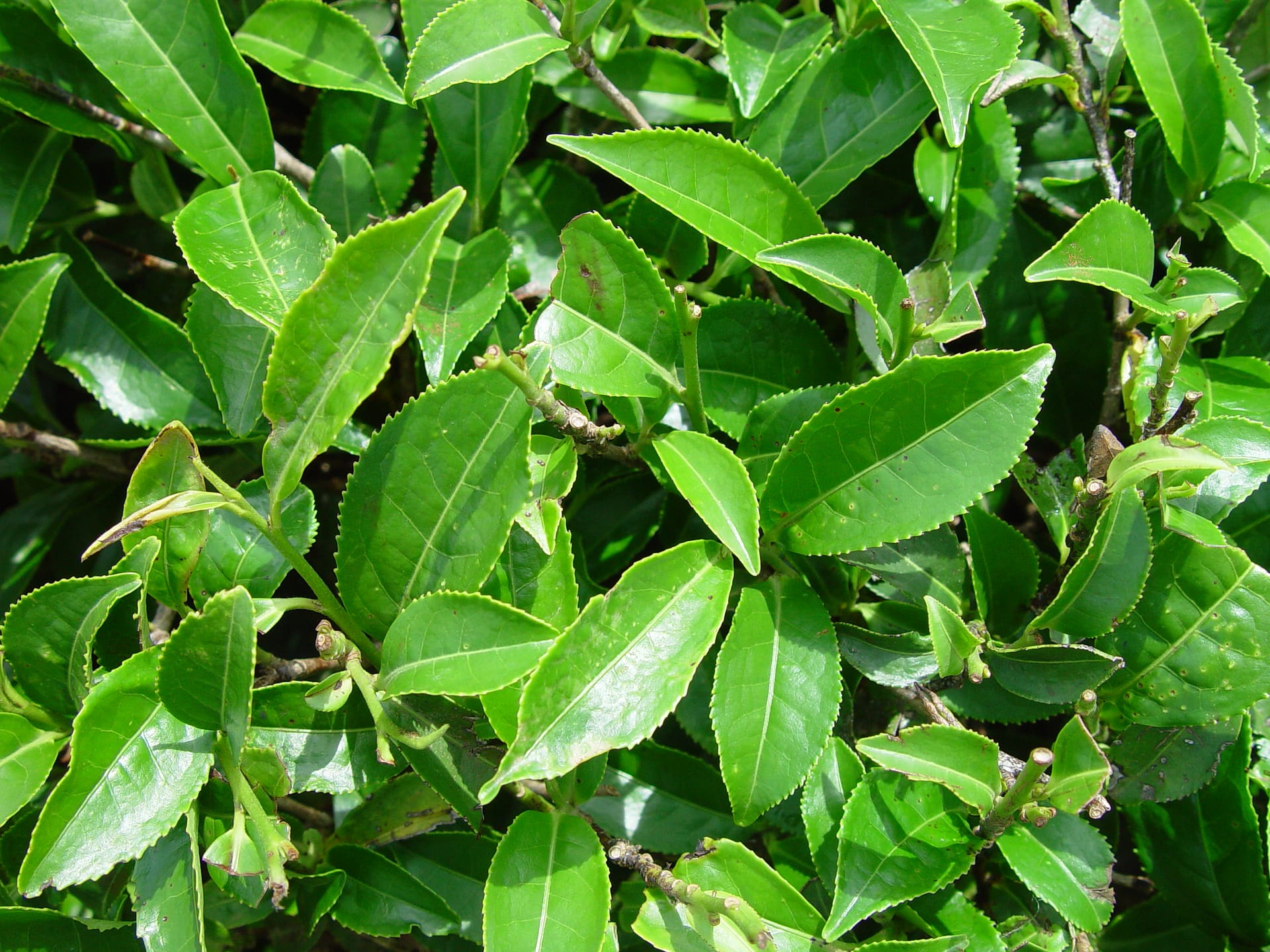
All teas come from the same plant, Camellia Sinensis. This shrub is native to eastern, southern, and southeastern Asia, but is cultivated worldwide. The most common categories of tea are differentiated by how they are dried. The manufacture of green tea is simple: it is just picked and heat-dried. However, black and oolong teas are oxidized before drying. Black tea is oxidized slightly longer than oolong, creating two distinct flavors and aromas. White tea is made by plucking only the buds and the youngest leaves, then drying them. This light touch preserves the integrity of the leaf while delivering healthful antioxidants.
Teas also have subcategories, with even more varieties of unflavored teas. Pan-fired green teas, for example, are made by heating the leaves in an iron pan over a flame. This action reduces the “grassy” flavor of the leaves and creates a distinctly unique aroma and taste. Some teas get their flavor from the area they are grown. Assam (India) teas have a different flavor and aroma than Ceylon (Sri Lanka) teas because of the difference in soil, humidity, and altitude.
Some teas may even be grown and processed in the same place and the same way, but have different tastes depending on when they were picked. Darjeeling (India) First Flush (the first harvest of each growing season) and Darjeeling Second Flush have very distinct qualities. First Flush is considered more complex, delicate, and more highly prized. Second and Third Flush (Autumn) have more “body.”
With so many slight differences in the tea-growing and drying processes, it is easy to see why so many types of tea exist.